
The Complete Guide to Preimplantation Genetic Testing (PGT) in Lakewood Ranch
Advanced reproductive medicine for Florida’s most discerning families
If you’re part of the thriving communities in Lakewood Ranch, you’ve likely prioritized careful planning in every aspect of your life. When it comes to building your family, preimplantation genetic testing (PGT) offers the same level of precision and control you value. This comprehensive guide explores how advanced PGT technology can help you achieve your family-building goals with confidence.
Understanding PGT: Beyond Basic Genetic Screening
Preimplantation Genetic Testing represents the cutting edge of reproductive medicine, allowing embryos to be analyzed for genetic abnormalities before transfer during IVF. Unlike prenatal testing that occurs after pregnancy, PGT provides crucial information before conception, enabling informed decisions from the start.
The Three Types of PGT Available Locally
PGT-A (Aneuploidy Testing) The most common form of genetic testing, PGT-A examines embryos for the correct number of chromosomes. With 23 pairs being normal, any deviation can lead to implantation failure, miscarriage, or conditions like Down syndrome.
PGT-M (Monogenic/Single Gene Testing) Designed for families with known genetic conditions such as cystic fibrosis, Huntington’s disease, or hereditary cancer syndromes. This personalized testing ensures specific genetic conditions aren’t passed to children.
PGT-SR (Structural Rearrangements) Specialized testing for patients with known chromosomal translocations or structural abnormalities that could affect embryo viability.
Why Lakewood Ranch Families Choose PGT
Advanced Maternal Age Considerations
With Lakewood Ranch‘s median age of 52.5 and many families pursuing pregnancy in their late 30s and 40s, understanding age-related fertility challenges becomes crucial. Recent research reveals that even with PGT-A:
- Women under 35: Live birth rates of 54.5% with single euploid embryo transfer
- Women 35-37: Maintained high success rates with proper embryo selection
- Women 38+: Live birth rates of 41.7%, significantly higher than non-tested embryos
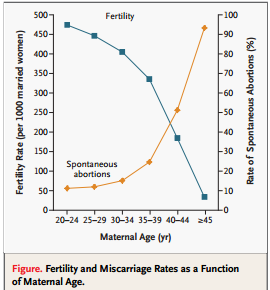
The more recent data also shows that while age impacts success rates even with genetically normal embryos, PGT still provides substantial advantages over traditional IVF, notes fertility research from leading reproductive medicine journals (see Reference section).
Advanced Technology: Single Euploid Embryo Transfer
Leading fertility centers in the Tampa Bay region now offer sophisticated single euploid embryo transfer protocols, representing a paradigm shift from traditional multiple embryo transfers.
The Science Behind Success
Recent data from advanced fertility programs shows remarkable outcomes:
- 2021: 78% pregnancy rates with single euploid transfers
- 2020: 72% pregnancy rates, 61% live birth rates
- 2019: 81% pregnancy rates, 64% ongoing pregnancies
These statistics represent a revolution in IVF safety and efficacy, virtually eliminating dangerous multiple pregnancies while maintaining exceptional success rates.
Benefits for Affluent Families
For Lakewood Ranch families (median household income $123,471), the advantages of single embryo transfer align with values of safety and quality:
- Elimination of twin pregnancy risks (4-6x higher risk of complications)
- Preserved future family planning options through embryo banking
- Optimal pregnancy outcomes with reduced maternal and fetal risks
- Enhanced peace of mind through genetic certainty
Local Treatment Pathways: What to Expect
Pre-Treatment Consultation and Planning
Genetic Counseling Session
- Comprehensive family history review
- Risk assessment for hereditary conditions
- Discussion of carrier screening results
- Personalized PGT recommendations
Advanced Ovarian Reserve Testing
- Anti-Müllerian Hormone (AMH) assessment
- Antral follicle count via ultrasound
- FSH and estradiol level analysis
- Personalized stimulation protocol design
The PGT-IVF Process Timeline
Weeks 1-3: Ovarian Stimulation
- Daily hormone injections at home
- Regular monitoring appointments (every 2-3 days)
- Trigger injection timing optimization
- Egg retrieval under anesthesia
Weeks 3-4: Laboratory Phase
- ICSI fertilization for all PGT cases
- Embryo culture to blastocyst stage (Day 5-6)
- Laser-assisted trophectoderm biopsy
- Embryo vitrification (freezing)
Weeks 4-6: Genetic Analysis
- Next-generation sequencing analysis
- Comprehensive chromosome evaluation
- Results consultation with physician
- Transfer planning for normal embryos
Transfer and Beyond
Frozen Embryo Transfer (FET)
- Endometrial preparation protocols
- Single euploid embryo selection
- Ultrasound-guided transfer procedure
- Optimized luteal phase support
Success Rates by Age and Indication
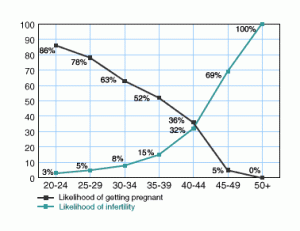
Advanced Maternal Age Outcomes
Research specifically examining single euploid embryo transfers reveals:
Ages 35-37
- Clinical pregnancy rates: 65-70%
- Live birth rates: 58-62%
- Miscarriage rates: 8-12%
Ages 38-40
- Clinical pregnancy rates: 55-60%
- Live birth rates: 45-50%
- Miscarriage rates: 12-18%
Ages 41+
- Clinical pregnancy rates: 45-50%
- Live birth rates: 35-40%
- Miscarriage rates: 18-25%
Specific Indication Success Rates
Recurrent Pregnancy Loss
- Significant reduction in subsequent miscarriage risk
- 60-70% live birth rates with euploid embryos
Repeated Implantation Failure
- Improved implantation rates: 62.5% vs 44.1% without PGT
- Enhanced embryo selection beyond morphology
Genetic Disease Prevention
- Virtual elimination of tested genetic conditions
- 98%+ accuracy in monogenic disease detection
Financial Considerations for Local Families
Investment Planning for PGT
Typical PGT Costs
- PGT-A testing: $3,000-5,000 per cycle
- PGT-M testing: $5,000-8,000 (includes test development)
- Comprehensive IVF with PGT: $20,000-25,000 per cycle
Insurance Coverage Trends With Florida’s improving fertility coverage landscape:
- Many major employers now cover PGT
- HSA/FSA eligible expenses
- Progressive coverage through companies like Progyny
- Multi-cycle discount programs available
Value Proposition for Affluent Demographics
For families with median incomes above $95,000:
- Time savings: Reduced cycles to achieve pregnancy
- Health outcomes: Lower pregnancy complication rates
- Family planning: Enhanced reproductive autonomy
- Peace of mind: Genetic certainty before pregnancy
Selecting the Right Clinic: Technology and Experience
Key Questions to Ask
Laboratory Capabilities
- “Do you perform trophectoderm biopsies in-house?”
- “What genetic testing platforms do you use?”
- “How long have you been offering PGT services?”
Experience Metrics
- “What are your single euploid embryo transfer success rates by age?”
- “How many PGT cycles do you perform annually?”
- “What percentage of your patients choose PGT?”
Support Services
- “Do you provide genetic counseling?”
- “What monitoring protocols do you use?”
- “How do you handle complex genetic cases?”
Technology Indicators of Advanced Care
Laboratory Features
- Low-oxygen incubator systems
- Time-lapse embryo monitoring
- Laser-assisted biopsy capabilities
- On-site genetic testing partnerships
Clinical Excellence Markers
- Single embryo transfer rates >95%
- Comprehensive chromosome analysis
- Experienced embryology team
- Research collaboration and publications
Common Questions from Local Families
“Is PGT worth it for younger patients?”
Even women under 35 produce approximately 25% abnormal embryos. For Lakewood Ranch families planning their first pregnancy, PGT offers:
- Higher first-cycle success rates
- Reduced miscarriage anxiety
- Preserved fertility for future pregnancies
- Gender selection options for family balancing
“How does maternal age affect PGT outcomes?”
While age impacts embryo quality, PGT-A success rates remain high across age groups:
- Under 35: 82% implantation rate with euploid embryos
- 35-40: 75% implantation rate with euploid embryos
- Over 40: 73% implantation rate with euploid embryos
The key is obtaining sufficient embryos for testing, which may require multiple cycles in older patients.
“What about embryo mosaicism?”
Modern testing platforms detect mosaic embryos (those with both normal and abnormal cells). Management strategies include:
- Transfer of low-level mosaics with appropriate counseling
- Ongoing research on mosaic embryo outcomes
- Enhanced detection with improved technology
Planning Your PGT Journey
Initial Steps for Local Families
1. Comprehensive Fertility Assessment Schedule consultations with reproductive endocrinologists experienced in preimplantation genetic testing.
Ensure they offer:
- Advanced laboratory facilities
- Genetic counseling services
- Personalized treatment protocols
2. Carrier Screening Complete expanded carrier screening for both partners to identify:
- Recessive genetic conditions
- Need for PGT-M testing
- Family planning implications
3. Financial Planning Review insurance coverage and financing options:
- Employer fertility benefits
- HSA/FSA allocation
- Multi-cycle discount programs
- Financing company partnerships
Timeline Expectations
Consultation to Treatment: 2-4 weeks PGT-IVF Cycle: 6-8 weeks Genetic Results: 2-3 weeks Embryo Transfer: 1-2 months after retrieval
Total time from consultation to pregnancy test: 3-4 months
The Future of PGT Technology
Emerging Advances
Enhanced Testing Platforms
- Improved mosaicism detection
- Polygenic risk scoring for complex diseases
- Non-invasive embryo assessment techniques
AI-Assisted Embryology
- Machine learning for embryo selection
- Predictive modeling for implantation success
- Automated laboratory workflows
Expanded Genetic Analysis
- Mitochondrial DNA assessment
- Epigenetic factor evaluation
- Multi-omic embryo profiling
Making the Decision: Is PGT Right for Your Family?
Ideal Candidates for Preimplantation Genetic Testing
Strong Indications
- Maternal age ≥35 at time of egg retrieval
- History of recurrent pregnancy loss (≥2 miscarriages)
- Previous IVF failures (≥3 unsuccessful transfers)
- Known genetic conditions in family history
- Male factor infertility requiring ICSI
- Desire for single embryo transfer
Additional Considerations
- Previous child with genetic condition
- Consanguineous relationships
- Advanced paternal age (≥45 years)
- Multiple previous pregnancies with chromosomal abnormalities
When PGT May Not Be Recommended
- Very limited embryo numbers expected (<3 blastocysts)
- Unwillingness to proceed with frozen embryo transfer
- Significant uterine factor infertility requiring surgical correction
- Severe maternal medical conditions precluding pregnancy
Conclusion: Empowering Your Family Planning Journey
For families in Lakewood Ranch, PGT represents more than advanced technology—it’s a tool for empowered family planning that aligns with your values of careful preparation and optimal outcomes. With success rates exceeding 70% for single euploid embryo transfers and the ability to prevent genetic conditions, PGT offers unprecedented control over your reproductive future.
The decision to pursue PGT should be made in consultation with experienced reproductive endocrinologists who understand both the technology’s capabilities and your personal family-building goals. As research continues to refine these techniques and expand their applications, patients in our local communities are positioned to benefit from some of the world’s most advanced reproductive medicine.
Whether you’re just beginning your fertility journey or have experienced previous challenges, PGT may provide the insight and confidence needed to achieve your dream of a healthy pregnancy and baby.
References
1. Maternal Age and Single Euploid Embryo Transfer Outcomes Journal of Ovarian Research (February 2025). “Maternal age-related declines in live birth rate following single euploid embryo transfer: a retrospective cohort study.” Analysis of 1,037 cycles showing live birth rates of 54.5% for women <35 years vs 41.7% for women ≥38 years.
2. PGT-A Efficacy in Single Blastocyst Cases Journal of Assisted Reproduction and Genetics (September 2022). “What to advise to patients with only one good quality blastocyst, PGT-A or not? Outcomes of 2064 cycles.” Study demonstrating 3.9-fold higher clinical pregnancy rates and 3.4-fold higher live birth rates with PGT-A compared to non-tested embryos.
3. Age Impact on Euploid Embryo Implantation IVI RMA Innovation (November 2020). “Aging and the Implantation Potential of Euploid Embryos.” Research analyzing 8,175 single euploid embryo transfers showing declining implantation rates from 82% (under 35) to 73% (advanced maternal age) despite genetic normalcy.
This guide represents current medical knowledge as of 2025. Individual results may vary, and all medical decisions should be made in consultation with qualified healthcare providers. For personalized guidance on PGT options, schedule a consultation with a board-certified reproductive endocrinologist in your area.
Key Takeaways:
- PGT offers 3-4x higher success rates compared to traditional IVF
- Single euploid embryo transfer eliminates dangerous multiple pregnancies
- Success rates remain high across age groups with proper embryo selection
- Advanced maternal age patients particularly benefit from genetic screening
- Local demographics favor strategic family planning using PGT technology
Next Steps:
- Schedule fertility assessment with PGT-experienced clinic
- Complete expanded genetic carrier screening
- Review insurance coverage and financing options
- Consider genetic counseling consultation