A low sperm count diagnosis can feel like a door closing. It isn’t. What it actually is – for Brandon and Riverview men sitting with that semen analysis in hand – is a clinical starting point. The range of treatment options available today means that most men with oligospermia can become biological fathers. The key is matching the severity of your diagnosis to the right intervention, with a clinical team experienced enough to know the difference.
Dr. Julio Pabon at Fertility Center & Applied Genetics of Florida (FCAG) has treated male factor infertility since opening the clinic in 1996. His approach is direct: identify the problem, grade the severity, explore whether the underlying cause is treatable, and select the treatment path most likely to produce a healthy pregnancy – not the most expensive one, and not the most conservative one, but the right one for your situation.
Understanding the Severity of Your Diagnosis
Not all low sperm counts are the same, and the treatment that makes sense for a man with 12 million sperm per milliliter is different from what’s appropriate for a man with 500,000. Oligospermia is classified by severity, and each level opens a different set of clinical doors.
Mild oligospermia describes a concentration between 10 and 15 million per milliliter. Many men in this range can still conceive with targeted help – lifestyle adjustments, medication, or intrauterine insemination (IUI).
Moderate oligospermia falls between 5 and 10 million per milliliter. At this level, IUI becomes less reliable, and IVF with or without ICSI often enters the conversation.
Severe oligospermia means fewer than 5 million per milliliter. IVF with ICSI is typically the most effective option. Genetic screening is also recommended at this threshold.
Cryptozoospermia describes the situation where no sperm are visible in a standard sample, but rare sperm are found after the sample is centrifuged and concentrated. These men still have options through ICSI.
Azoospermia – zero sperm in the ejaculate even after centrifugation – requires further workup to determine whether the cause is a blockage (obstructive) or a production problem (non-obstructive), and whether surgical sperm retrieval is viable.
Understanding where you fall on this spectrum is the first step. The second is understanding what each treatment tier can realistically offer.
Treatment Options by Severity
Tier 1: Lifestyle Changes and Medical Management
For men with mild oligospermia, or as a complement to other treatments at any severity level, lifestyle and medical interventions can produce real improvements. But they take time. Spermatogenesis – the full cycle of producing mature sperm – takes roughly 74 days. Add maturation time in the epididymis, and you’re looking at about 90 days before changes show up on a repeat semen analysis.
Evidence-based lifestyle interventions include weight loss (obesity disrupts the hormonal environment needed for sperm production by increasing estradiol and decreasing testosterone), smoking cessation, reducing alcohol intake, avoiding excessive heat exposure to the scrotum, and targeted supplementation with antioxidants like CoQ10, zinc, and L-carnitine.
On the medical side, some men with low counts have an identifiable hormonal cause. Dr. Pabon evaluates each patient’s hormone profile – FSH, LH, testosterone, estradiol, prolactin – to determine whether the pituitary and testes are communicating properly. Men with hypogonadotropic hypogonadism (low hormone signals from the brain to the testes) may respond to treatment with Clomiphene citrate, hCG, gonadotropins, or a combination of these. This is a distinct and treatable condition that is separate from age-related or idiopathic decline.
One critical warning: exogenous testosterone replacement therapy (TRT) – the kind prescribed for “low T” symptoms – actually suppresses sperm production. Men who start TRT without realizing this can drive their counts to zero. If you’re taking testosterone and trying to conceive, talk to a reproductive specialist immediately.
Tier 2: Intrauterine Insemination (IUI)
IUI works by concentrating the best-quality sperm from a sample and placing them directly into the uterus, bypassing the cervix and shortening the distance sperm need to travel. It’s most effective when the Total Motile Count (TMC) is above 5 million and when it’s combined with ovarian stimulation medication for the female partner.
FCAG performs ultrasound-guided IUI, using real-time abdominal ultrasound to gently guide the catheter through the cervix for precise placement. This technique is gentler and more accurate than blind catheter insertion.
Per FCAG’s published data, IUI pregnancy rates are approximately 6-10% per unmedicated cycle, 8-12% with Clomid, and 15-25% with gonadotropin stimulation. Most fertility specialists recommend three to four IUI cycles before moving to IVF. If IUI hasn’t produced a pregnancy after that point, continuing is unlikely to change the outcome.
For Brandon and Riverview men with mild oligospermia, IUI represents a reasonable first-line treatment that’s less invasive and less expensive than IVF. But it has limits – and recognizing when to move on is just as important as knowing when to start.
Tier 3: IVF with ICSI
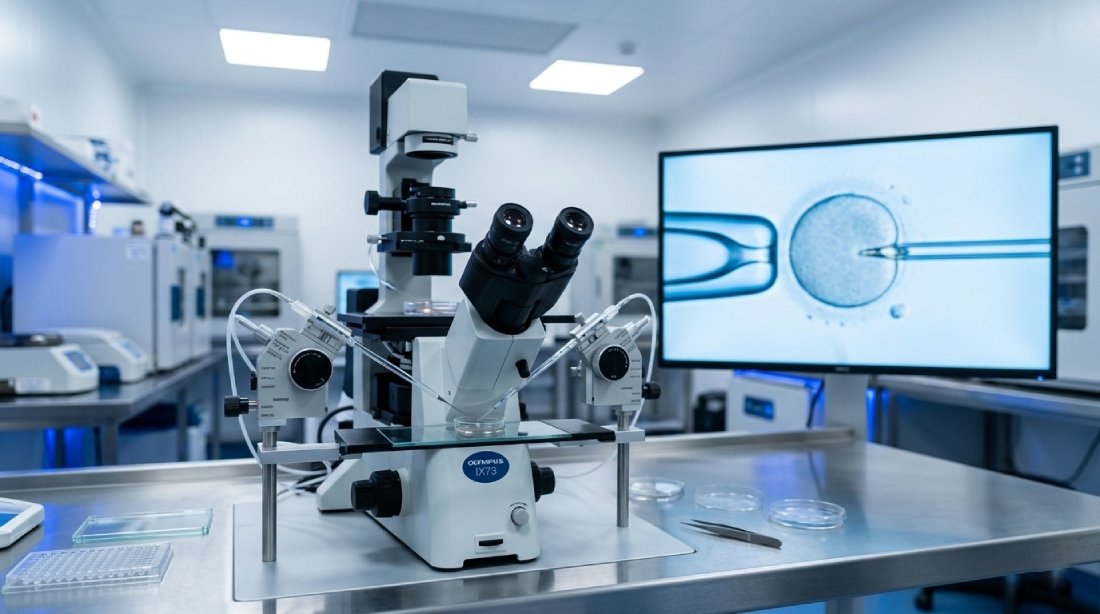
When sperm count or quality is too low for IUI to be effective, intracytoplasmic sperm injection (ICSI) combined with IVF changes the equation entirely. With ICSI, an embryologist uses a microscopic needle to inject a single sperm directly into a mature egg, bypassing every natural barrier – the cervical mucus, the journey through the uterus and fallopian tubes, the zona pellucida surrounding the egg. Only one viable sperm per egg is needed.
Per published literature, ICSI achieves fertilization in approximately 50-80% of injected oocytes. The critical insight is that once fertilization occurs, embryo development and pregnancy outcomes are driven primarily by egg quality and embryo genetics – not by the sperm count that got you there. A man with 500,000 sperm per milliliter who produces a genetically normal embryo through ICSI has the same chance of a healthy pregnancy as a man with 50 million.
This is where FCAG’s expertise in preimplantation genetic testing (PGT) becomes directly relevant. More than 98% of FCAG’s IVF treatments include genetic testing of embryos. After ICSI fertilization, embryos are cultured to the blastocyst stage (day 5 or 6), biopsied using laser-assisted trophectoderm biopsy, and screened for chromosomal normalcy through PGT-A. Only embryos confirmed as euploid (having the correct number of chromosomes) are selected for transfer. This approach maximizes the probability of pregnancy and minimizes the risk of miscarriage – regardless of the original sperm count.
FCAG was the first clinic in Florida to offer single euploid blastocyst transfers for both fresh and frozen/thawed cycles, and Dr. Pabon has been performing ICSI routinely since the clinic opened.
Tier 4: Surgical Sperm Retrieval Combined with ICSI
For men with very severe oligospermia, cryptozoospermia, or azoospermia, the sperm needed for ICSI may need to be obtained surgically. Several techniques exist, ranging from minimally invasive needle aspiration to microsurgical approaches.
TESA (testicular sperm aspiration) uses a needle to aspirate tissue directly from the testicle. It’s minimally invasive but provides limited sampling.
TESE (testicular sperm extraction) is an open surgical biopsy that allows multiple tissue samples to be taken.
Micro-TESE (microdissection testicular sperm extraction) uses an operating microscope to identify the seminiferous tubules most likely to contain sperm. Per published literature, first-time micro-TESE achieves sperm retrieval in approximately 40-65% of men with non-obstructive azoospermia, depending on the underlying cause.
PESA and MESA are epididymal aspiration techniques used primarily for obstructive azoospermia, where sperm production is normal but a blockage prevents sperm from reaching the ejaculate.
Retrieved sperm can be used immediately for same-day ICSI or cryopreserved through vitrification for future use. FCAG’s vitrification technology effectively preserves even small numbers of surgically retrieved sperm. The resulting embryos go through the same PGT-A screening process, meaning pregnancy rates after transfer of a genetically screened embryo are comparable whether the sperm was ejaculated or surgically retrieved.
Why Early Sperm Banking Matters
Here’s something most fertility websites won’t tell you: male factor infertility can be progressive. Dr. Pabon’s clinical experience and published literature confirm that a patient may present with a low count today and find it significantly worse a year or two later – or even at zero.
For men with counts below 5 million per milliliter, FCAG recommends banking sperm specimens as early as possible, even while the evaluation is still ongoing. The evaluation process itself can take several months. If the count drops further during that time, a banked specimen serves as a critical safety net for future IVF/ICSI cycles.
Sperm banking is a low-cost, low-effort precaution. A single collection visit is all it takes. For Brandon and Riverview men whose fertility evaluation is just beginning, this is one of the most practical steps you can take early.
Genetic Considerations for Men with Low Sperm Counts
When sperm counts fall below 5 million per milliliter, the cause may be partly genetic. FCAG recommends the following evaluations for men at this threshold.
Cystic fibrosis carrier testing is important because congenital bilateral absence of the vas deferens (CBAVD) – a cause of obstructive azoospermia – is associated with CF gene mutations. Nearly 80% of men with absent vas deferens carry at least one CF mutation.
Karyotype analysis (chromosome testing) can identify conditions like Klinefelter syndrome (47,XXY) or structural chromosome rearrangements that affect sperm production.
Y chromosome microdeletion assay goes beyond standard karyotype to examine specific regions of the Y chromosome involved in sperm production. Complete deletions of the AZFa or AZFb regions predict extremely poor outcomes from surgical sperm retrieval. AZFc deletions, on the other hand, are associated with better retrieval rates. This test is particularly valuable as a pre-surgical counseling tool before micro-TESE.
An additional consideration: male children born from fathers with Y chromosome deletions may inherit the same genetic trait and potentially face similar fertility challenges. FCAG provides genetic counseling to help patients understand these implications. For some patients, this information factors into decisions about PGT and embryo selection.
Donor Sperm: When It’s the Right Discussion
Not every case of severe male factor infertility ends with biological fatherhood, and an honest treatment plan acknowledges this. If sperm retrieval fails, or if genetic testing reveals conditions that significantly reduce the likelihood of success, donor sperm becomes a practical alternative worth discussing.
FCAG works with rigorously screened anonymous sperm donors tested according to ASRM and FDA guidelines. Donor sperm can be used with IUI or IVF. For couples who choose this path, FCAG’s genetic screening protocols – including recessive carrier testing for both partners (or the donor) – help ensure the healthiest possible outcome.
This isn’t a consolation prize. It’s a different route to the same destination: a healthy baby.
Why FCAG for Brandon and Riverview Patients
The Reproductive Medicine Group (RMG) in Brandon is the closest competing fertility practice to Riverview and Brandon, and they’re a solid clinic. But there’s a meaningful difference between a multi-location, multi-physician corporate practice and FCAG’s model, where Dr. Pabon personally reviews every case, performs every procedure, and oversees the IVF and andrology laboratories directly.
For male factor cases specifically, FCAG offers on-site andrology, ICSI as a core competency since 1996, laser-assisted embryo biopsy, low-oxygen embryo culture, vitrification cryopreservation, and the most experienced PGT program in the region. The drive from Brandon or Riverview to FCAG’s Sarasota location is 40-50 minutes via I-75 South – comparable to a commute across Tampa in rush hour.
Take the Next Step
A low sperm count narrows the options but it does not close the door. With accurate diagnosis, severity-matched treatment, and an experienced clinical team, most men with oligospermia can achieve biological fatherhood. The first step is understanding exactly where you stand.
Contact Fertility Center & Applied Genetics of Florida to schedule a consultation with Dr. Pabon. Bring your semen analysis results – or schedule one at FCAG’s on-site andrology lab – and get a clear, honest assessment of your options.
Fertility Center & Applied Genetics of Florida
5100 Station Way, Sarasota, FL 34233
Phone: (941) 342-1568
Bonita Springs / Fort Myers / Naples
9420 Fountain Medical Court, Suite 100, Bonita Springs, FL 34135
Phone: (239) 333-2229
Frequently Asked Questions
What is the best treatment for low sperm count?
The best treatment depends on the severity. Men with mild oligospermia (10-15 million/mL) may benefit from lifestyle changes, hormonal therapy, or IUI. Men with moderate oligospermia (5-10 million/mL) typically need IVF, often with ICSI. Men with severe oligospermia (below 5 million/mL) or azoospermia usually require IVF with ICSI, and may need surgical sperm retrieval. There is no single “best” treatment – the right approach matches the diagnosis. A fertility specialist can evaluate your specific results and recommend the most effective path.
How successful is ICSI for men with very low sperm counts?
ICSI was specifically developed for severe male factor infertility. Per published literature, ICSI achieves fertilization in approximately 50-80% of injected oocytes, and research has shown that even men with very severe oligospermia (fewer than 1 million/mL) can achieve clinical pregnancy rates comparable to men with higher counts when good-quality embryos are transferred. The key factor in pregnancy success after ICSI is embryo quality and genetics, not the original sperm count. FCAG’s PGT-A screening helps select the healthiest embryos regardless of how the sperm was obtained.
Should I try IUI before IVF if I have a low sperm count?
It depends on your Total Motile Count (TMC). If your TMC is above 5 million, IUI combined with ovarian stimulation may be a reasonable first step – it’s less invasive and less expensive. Most specialists recommend three to four IUI cycles. If your TMC is below 5 million, IUI is unlikely to be effective, and moving directly to IVF with ICSI is typically more efficient. Your fertility specialist can help you weigh the cost, time, and probability of success for each approach.
Can lifestyle changes actually improve a low sperm count?
Yes, but with realistic expectations. Quitting smoking, losing excess weight, reducing alcohol, avoiding scrotal heat, and taking antioxidant supplements have all shown potential to improve sperm parameters in published research. However, improvements require at least 90 days because of the spermatogenesis cycle, and the degree of improvement varies. Lifestyle changes work best for mild cases and as a complement to medical treatment – they are unlikely to resolve moderate or severe oligospermia on their own. Get a baseline semen analysis first, make changes, and retest at three months.
What is the difference between TESE and micro-TESE?
TESE (testicular sperm extraction) involves taking small tissue samples from the testicle to search for sperm. Micro-TESE uses an operating microscope at 6-8x magnification to visually identify the seminiferous tubules most likely to contain sperm before sampling. Micro-TESE is more targeted, removes less tissue, and generally achieves higher sperm retrieval rates for men with non-obstructive azoospermia – approximately 40-65% in first-time procedures per published studies. Standard TESE is simpler but less precise, with retrieval rates of 20-45% for non-obstructive cases. For obstructive azoospermia, both approaches have high success rates.
Will testosterone therapy help my low sperm count?
No – and this is one of the most common and damaging misconceptions. Exogenous testosterone replacement therapy (TRT) actually suppresses the hormonal signals your body needs to produce sperm. Taking testosterone for “low T” symptoms can drive your sperm count to zero. The effect can take months to reverse after stopping, and in some cases may not fully reverse. If you have low testosterone and want to conceive, a reproductive endocrinologist can prescribe alternative medications (such as Clomiphene citrate or hCG) that raise testosterone while preserving or even improving sperm production.
How much does IVF with ICSI cost compared to IUI?
Cost varies by clinic and protocol, but IUI is significantly less expensive than IVF with ICSI. A single IUI cycle typically costs a fraction of an IVF cycle. However, cost per pregnancy is the more meaningful comparison. If your sperm parameters make IUI unlikely to succeed, paying for multiple unsuccessful IUI cycles can end up costing more – in both money and time – than proceeding directly to IVF with ICSI. FCAG’s team can help you evaluate the cost-effectiveness of each approach based on your specific diagnosis.
Does FCAG accept patients from Brandon and Riverview for male fertility treatment?
Yes. FCAG’s Sarasota location is approximately 40-50 minutes from Brandon and Riverview via I-75 South. Dr. Pabon regularly treats patients from across the Tampa Bay area, including Brandon, Riverview, Lakewood Ranch, and Bradenton. Morning appointments are available to accommodate work schedules, and semen samples can be collected at home and delivered to the clinic within 45 minutes. The clinic also provides multilingual resources in Spanish, Portuguese, Japanese, and Mandarin.