Male Fertility Testing Riverview and Brandon: Semen Analysis and Next Steps Explained
If you and your partner have been trying to conceive without success, there’s roughly a 50% chance that male factor infertility is part of the equation. That statistic surprises most couples. In many cases, the female partner has already been through blood work, ultrasounds, and office visits before anyone suggests testing the man. For Riverview and Brandon couples navigating this frustrating reality, a semen analysis is one of the simplest and most informative steps you can take. It’s non-invasive, it takes minutes, and the results can save you months – sometimes years – of guesswork.
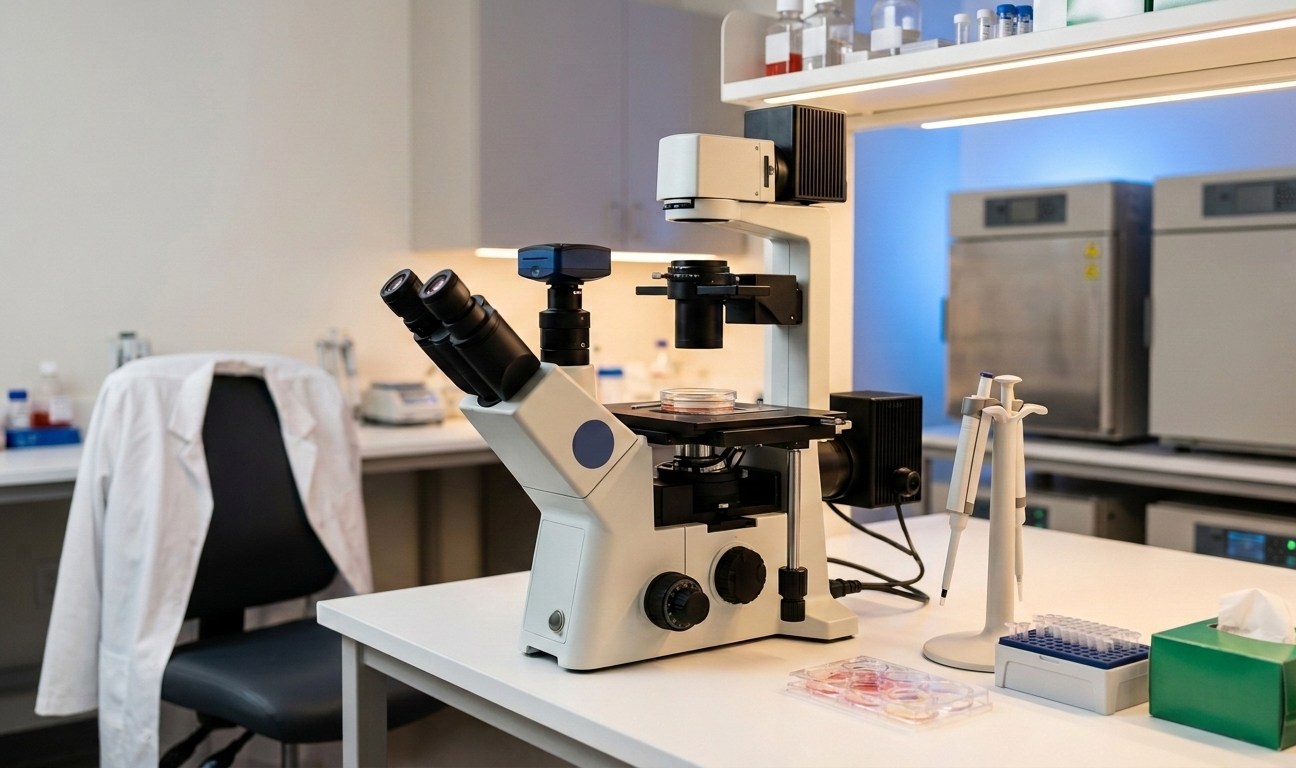
At Fertility Center & Applied Genetics of Florida (FCAG), Dr. Julio Pabon has evaluated and treated male factor infertility since opening the clinic’s doors in 1996. His approach starts where the science starts: with a thorough semen analysis performed in an IVF-level andrology laboratory, not a general hospital lab.
What a Semen Analysis Actually Measures
A semen analysis evaluates multiple characteristics of your semen and sperm. Think of it as a report card with several categories, each telling a different part of the story. The World Health Organization (WHO) published its most recent reference guidelines in 2021 (6th edition), which male fertility clinics worldwide use as a benchmark. Here are the core parameters and what they mean for your fertility.
Sperm concentration refers to the number of sperm per milliliter of semen. The WHO lower reference limit is 16 million per milliliter. Below this threshold, you may hear the term oligospermia – it simply means a lower-than-expected sperm concentration.
Total motility measures the percentage of sperm that are moving at all. The reference threshold is 42%. But not all movement is created equal, which is why labs also measure progressive motility – the percentage of sperm swimming forward in a purposeful direction rather than vibrating in place. The reference threshold for progressive motility is 30%.
Morphology describes the shape of the sperm – head, midpiece, and tail. Under strict Kruger criteria, a normal morphology score is 4% or higher. That number sounds alarmingly low, but it’s standard. Even in highly fertile men, the vast majority of sperm are abnormally shaped. What matters is that enough normally-shaped sperm are present to do the job.
Volume measures the total amount of semen produced. The reference minimum is 1.4 milliliters. Low volume can signal a number of issues, from retrograde ejaculation (where semen flows backward into the bladder) to a blockage in the reproductive tract.
pH should fall between 7.2 and 8.0. Values outside this range can indicate infection or problems with the seminal vesicles or prostate.
Beyond these individual numbers, one of the most clinically useful calculations is the Total Motile Count (TMC). TMC combines volume, concentration, and motility into a single figure that represents the total number of swimming sperm in the entire sample. A TMC above 20 million is generally considered adequate for natural conception or IUI. Below 5 million, IVF with ICSI is typically the most effective path forward. Your male fertility specialist will interpret your results holistically rather than focusing on any single number in isolation.
How to Prepare and What to Expect
The collection process is straightforward, and understanding it ahead of time can reduce any anxiety. You’ll need to abstain from ejaculation for two to five days before the test. Too short an abstinence period may yield a lower concentration, while too long may affect motility.
The preferred collection method is masturbation into a sterile container. For men who cannot use this method for religious or personal reasons, FCAG offers a special collection condom that can be used during intercourse.
Here’s something that matters for Riverview and Brandon men specifically: FCAG allows home collection as long as you can deliver the sample to the lab within 45 minutes. Most Riverview residents can reach FCAG’s Sarasota location via I-75 South well within that window. During transport, keep the container close to your body – an inside jacket pocket works well – to maintain it near body temperature. If you prefer, you can also collect at the clinic in a private room.
One important note: sperm counts can fluctuate significantly from one sample to the next. Factors like recent illness, stress, sleep, and even the time of year can influence results. If your first analysis shows abnormalities, your doctor will likely recommend repeating the test two to four weeks later before drawing conclusions.
Why the Lab Matters More Than You Think
Not all semen analyses are equal. A basic hospital or primary care lab can run the numbers, but the clinical implications of those numbers require specialized interpretation. Dr. Pabon’s practice philosophy on this point is direct: semen analyses should be performed at a facility that specializes in the treatment of infertility, ideally one that performs IVF. The physicians and technicians at these facilities are more attentive to the subtleties of what a semen analysis reveals.
When your results are reviewed at an IVF-level lab, the interpretation happens in context. A technician who processes sperm for IVF and ICSI every day notices patterns that a general lab technician might miss – borderline values that suggest progressive decline, subtle morphology findings, or white blood cell counts that point to subclinical infection.
This distinction matters practically. A general lab might report your count as “within normal limits” when a reproductive specialist would recognize it as a trend worth monitoring. Starting with a specialized analysis avoids the frustration of re-testing later and losing valuable time.
What Abnormal Results Mean – and What Comes Next
If your semen analysis reveals abnormalities, the next steps depend on the severity. Think of it as a decision tree that matches the problem to the right solution.
Mild abnormalities – a TMC between 10 and 20 million, slightly reduced motility or morphology – often respond well to a combination of lifestyle modifications and less invasive treatment. FCAG performs ultrasound-guided IUI, a technique that uses real-time abdominal ultrasound to gently guide the catheter through the cervix and into the uterus for precise sperm placement. IUI pregnancy rates depend on the treatment protocol: approximately 6-10% per cycle without medication, 8-12% with Clomid, and 15-25% with gonadotropin stimulation.
Moderate abnormalities – TMC between 5 and 10 million, or significant deficiencies across multiple parameters – typically point toward IVF, often with ICSI (intracytoplasmic sperm injection). With ICSI, an embryologist selects a single sperm and injects it directly into a mature egg, bypassing the natural barriers that low count or poor motility create. Per published literature, ICSI achieves fertilization in approximately 50-80% of injected oocytes. FCAG has performed ICSI routinely since the clinic opened, and more than 98% of their IVF treatments include genetic testing of embryos through preimplantation genetic testing (PGT).
Severe abnormalities – TMC below 5 million, very low or near-zero counts – require a more aggressive approach. IVF with ICSI is essential at this level. Dr. Pabon also recommends that men with counts below 5 million per milliliter consider sperm banking immediately, even while the evaluation is still ongoing. Male factor infertility can be progressive – a patient may present with a low count today and find it significantly worse a year later, or even at zero. Banking specimens early provides a safety net and a backup for future IVF procedures. Additionally, men with counts this low should undergo genetic screening, including cystic fibrosis carrier testing and a karyotype (chromosome analysis), to identify any underlying genetic causes.
Azoospermia – zero sperm detected in the ejaculate – requires further evaluation to determine whether the cause is obstructive (a blockage preventing sperm from reaching the semen) or non-obstructive (a problem with sperm production in the testes). Depending on the diagnosis, microsurgical sperm retrieval techniques such as TESE or micro-TESE may be able to find sperm directly in the testicular tissue. When combined with ICSI, even a small number of surgically retrieved sperm can lead to a successful pregnancy.
Your fertility specialist may also recommend additional tests based on your semen analysis results. These can include a hormonal evaluation (FSH, LH, testosterone, estradiol, prolactin), scrotal ultrasound, anti-sperm antibody testing (particularly relevant for men with a history of testicular trauma, surgery, or vasectomy reversal), and sperm DNA fragmentation testing for men with unexplained infertility or recurrent pregnancy loss.
Convenient Testing for Riverview and Brandon Men
FCAG’s Sarasota location is a straightforward drive from Riverview and Brandon via I-75 South, typically 40 to 50 minutes depending on traffic. Morning appointments are available to accommodate work schedules, and the home collection option means you may only need to be at the clinic briefly for the drop-off.
Dr. Pabon and the FCAG team serve working professionals from across the Tampa Bay area, including Riverview, Brandon, Lakewood Ranch, and Bradenton, with scheduling flexibility built around busy lives. The clinic also provides multilingual resources in Spanish, Portuguese, Japanese, and Mandarin for patients who prefer communication in their native language.
Take the First Step
A semen analysis is the simplest, fastest, and least invasive step in the male fertility evaluation process. It provides answers that can redirect your entire treatment plan – and potentially save you months of unnecessary procedures. If you and your partner have been trying to conceive for 12 months or more (or 6 months if your partner is 35 or older), testing both partners early is the most efficient path forward.
Contact Fertility Center & Applied Genetics of Florida to schedule a semen analysis and initial consultation with Dr. Pabon.
Fertility Center & Applied Genetics of Florida
Sarasota, FL
Phone: (941) 787-2287
Bonita Springs / Fort Myers / Naples
Phone: (239) 333-2229
Frequently Asked Questions
How long does a semen analysis take?
The collection itself takes as long as you need – there is no time pressure in the private collection room. Once your sample reaches the lab, the analysis is typically completed the same day. Results are usually available within 24 to 48 hours. The entire process, from arrival at the clinic to leaving, usually takes less than an hour if you collect on-site. If you collect at home and drop off the sample, you may only need to be at the clinic for a few minutes.
Can I collect my semen sample at home instead of at the clinic?
Yes. FCAG allows home collection as long as the sample reaches the laboratory within 45 minutes. For most men in Riverview and Brandon, this is feasible via I-75 South to Sarasota. Keep the container close to your body during transport to maintain it near body temperature – an inside pocket works well. Avoid exposing the sample to extreme heat or cold, and do not use lubricants during collection unless specifically approved by your doctor, as many contain ingredients that damage sperm.
What does a low sperm count mean for my chances of having a baby?
A low sperm count reduces the probability of natural conception, but it does not mean pregnancy is impossible. The clinical impact depends on how low the count is and whether other parameters like motility and morphology are also affected. Men with mild reductions may still conceive naturally or with IUI. Men with moderate-to-severe reductions often achieve pregnancy through IVF with ICSI, where a single sperm is injected directly into an egg. Even men with extremely low counts or no ejaculated sperm may have options through surgical sperm retrieval. The key is getting an accurate diagnosis and matching it to the right treatment.
How many days should I abstain before a semen analysis?
FCAG recommends two to five days of abstinence before the test. The WHO 6th edition manual recommends a minimum of two days and no more than seven days. Abstaining for fewer than two days may result in a lower concentration, while abstaining for more than seven days can reduce motility and increase the proportion of older, less viable sperm. Consistency matters – if you need a repeat test, try to use the same abstinence interval to make the results comparable.
Is a semen analysis from my regular doctor’s office reliable enough?
It depends on the laboratory. A basic semen analysis from a general hospital or primary care lab can provide useful screening information, but fertility specialists recommend having the analysis performed at an IVF-level andrology laboratory for the most clinically meaningful results. Technicians at these specialized labs are trained to evaluate sperm function in the context of assisted reproduction. They can identify subtle patterns and borderline findings that a general lab might miss or report as “normal.” At FCAG, semen analyses are performed and interpreted by a team experienced in IVF, ICSI, and advanced reproductive testing.
What is Total Motile Count and why does it matter more than sperm count alone?
Total Motile Count (TMC) is the total number of moving sperm in the entire ejaculate. It’s calculated by multiplying semen volume by sperm concentration by the percentage of motile sperm. TMC is considered more clinically useful than concentration alone because it accounts for the full picture – a man could have a good concentration per milliliter but low volume, or adequate volume but poor motility. A TMC above 20 million is generally considered adequate for natural conception or IUI. Between 5 and 20 million, IUI may still be effective depending on other factors. Below 5 million, IVF with ICSI typically offers the best odds.
How often should a semen analysis be repeated?
If your first analysis is normal and there are no other fertility concerns, a single test may be sufficient. However, if any abnormalities are detected, your doctor will usually recommend repeating the analysis at least once, typically two to four weeks later, because sperm parameters naturally fluctuate from sample to sample. For men undergoing treatment or making lifestyle changes to improve fertility, a follow-up analysis after approximately three months provides meaningful data, since spermatogenesis (the production of new sperm) takes about 74 days. Men with borderline or declining results may benefit from periodic monitoring.
Can lifestyle changes improve my semen analysis results?
Yes, for many men. Factors like smoking, excessive alcohol use, obesity, poor diet, high scrotal temperature, and certain medications can all negatively affect sperm production and quality. Quitting smoking, losing weight, reducing alcohol intake, avoiding excessive heat exposure, and taking targeted supplements (such as CoQ10, zinc, and L-carnitine) have all shown potential to improve semen parameters in published research. However, improvements take time – at least 90 days – because of the spermatogenesis cycle. A baseline semen analysis before making changes, followed by a repeat analysis at three months, is the best way to measure your progress.